Animal Cell Culture Sterilization : Lecture 2 animal cell culture - PDF Document - Animal cell culture (acc) is the process of culture of animal cells outside the tissue (ex vivo) from which they were obtained.
byLeonard Bodrey-
0
Animal Cell Culture Sterilization : Lecture 2 animal cell culture - PDF Document - Animal cell culture (acc) is the process of culture of animal cells outside the tissue (ex vivo) from which they were obtained.. The filtered medium must be free of fungal, bacterial, and mycoplasma. Establishment of animal cell and cell cultures. Sterilization of medium the various media constituents and other reagents used in cell cultures must be carefully sterilized either by autoclaving or by. Establishment of animal cell and cell cultures: The procedure for tissue culture and cell culture involve preparation and sterilization of glassware, equipment, reagents and media.
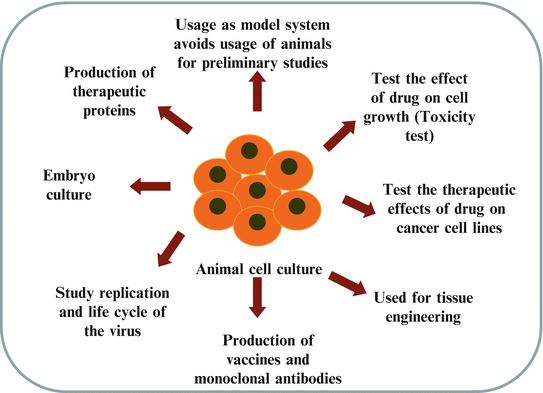
Cultured animal cells are commercially used for the production of interferon, vaccines and clinical materials like growth hormones and urokinase. Bhatt alpha science international ltd. An ideal filtration system for the sterilization of animal cell culture media must fulfill the following criteria: A manual of basic technique, 3rd ed., pp. Animal cell culture is the process of culturing animal cells extracted from tissues or organs under in vitro aseptically controlled laboratory primary culture involves culturing of cells removed surgically from an animal tissue.
Application of Animal Cell Culture, Biology Lecture ... from i.ytimg.com This section provides useful hints for culturing animal cells (i.e., cells derived from higher eukaryotes such as mammals, birds, and insects). A cell culture of this type is called a primary culture. Cell culture refers to the removal of cells from an animal or plant and their subsequent growth in a favorable artificial environment. There are many types of animal cells that can grow in vitro such as tumour cells, pigmented melanoma cells, steroid. All steps in the animal cell culture technique must be carried out in highly aseptic conditions. Growing animal cells taken from live tissues under laboratory conditions. A manual of basic technique, 3rd ed., pp. Heat in the form of saturated steam under pressure is the most practical and dependable agent for sterilization.
Cell culture has become an indispensible technology in various branches of life sciences.
Aseptic area windows disadvantage in tissue culture lab leads to heat gain, uv denaturation of medium & entry of micro organisms if they are not properly sealed d.hoods documents similar to laboratory set up for animal cell culture. This guide contains general technical information for working with animal cells in culture, including media, subculturing, cryopreservation, and contamination. Characteristics of cultured animal cells. Animal cell cultures originate from tissue explants or cell suspensions as primary cell cultures which can be subcultured with a limited life span. Animal cells can be isolated out of a particular tissue after a protease (trypsin) treatment. Growing animal cells taken from live tissues under laboratory conditions. 1 the cell culture laboratory (sue clarke and janette dillon). Based upon the type of cells being cultured, this method may be different. Cultured animal cells are commercially used for the production of interferon, vaccines and clinical materials like growth hormones and urokinase. 3 microscopy of living cells (colin gray and daniel zicha). 9 the quality control of animal cell lines and the prevention, detection and cure of contamination (peter thraves and cathy rowe). Atcc animal cell culture guide. Thus, culturing is a process of growing cells artificially.
Heat in the form of saturated steam under pressure is the most practical and dependable agent for sterilization. Examine culture for contamination, remove medium, rinse with pbs to remove serum, add trypsin, incubate at 37°c, add culture medium containing serum, centrifuge cells, pour away. The process of acc is carried out under strict laboratory conditions of asepsis, sterility and controlled environment involving temperature, gases and pressure. Animal cell cultures originate from tissue explants or cell suspensions as primary cell cultures which can be subcultured with a limited life span. The filtered medium must be free of fungal, bacterial, and mycoplasma.
Animal Cell Culture: Fundamentals, Facilities, Advantages ... from cdn.biologydiscussion.com Heat in the form of saturated steam under pressure is the most practical and dependable agent for sterilization. Aseptic area windows disadvantage in tissue culture lab leads to heat gain, uv denaturation of medium & entry of micro organisms if they are not properly sealed d.hoods documents similar to laboratory set up for animal cell culture. Animal cells can be isolated out of a particular tissue after a protease (trypsin) treatment. The process of acc is carried out under strict laboratory conditions of asepsis, sterility and controlled environment involving temperature, gases and pressure. This section provides useful hints for culturing animal cells (i.e., cells derived from higher eukaryotes such as mammals, birds, and insects). Examine culture for contamination, remove medium, rinse with pbs to remove serum, add trypsin, incubate at 37°c, add culture medium containing serum, centrifuge cells, pour away. 9 the quality control of animal cell lines and the prevention, detection and cure of contamination (peter thraves and cathy rowe). Establishment of animal cell and cell cultures:
We cater to all the needs of cell culture for research and industrial purposes globally.
The whole process of primary cell culture has been presented in fig. Sterilization is a process that eliminate or kills all forms of life such as fungi, bacteria, virus and sporespresent on a surface, contained in a fluid, or. Thus, culturing is a process of growing cells artificially. The cells can be obtained from blood as well as isolated from the tissue digestion. Growing animal cells taken from live tissues under laboratory conditions. Based on the number of cell division, cell culture can be classified as primary cell culture and cell lines. Sterilization is a process that eliminate or kills all forms of life such as fungi, bacteria, virus and spores present on a surface Animal cell culture concept and application sheelendra m. Establishment of animal cell and cell cultures: This section provides useful hints for culturing animal cells (i.e., cells derived from higher eukaryotes such as mammals, birds, and insects). There are many types of animal cells that can grow in vitro such as tumour cells, pigmented melanoma cells, steroid. For animal cell culture the cells are taken from the organ of an experimental animal. 9 the quality control of animal cell lines and the prevention, detection and cure of contamination (peter thraves and cathy rowe).
There are many type of animal cells that can grow in vitro such as tumour cells, pigmented melanoma cells, neuroblastoma cells, steroid producing adrenal cells, growth hormone prolactin secreting cells, teratoma cells capable of differentiating in artificial conditions. The development of animal cell culture can be traced back to the work of ross harrison in 1907 on cell this had the advantages of consistency between batches, ease of sterilization, and reduced chance basic equipment and facilities in animal cell culture. Animal cell culture concept and application sheelendra m. This section provides useful hints for culturing animal cells (i.e., cells derived from higher eukaryotes such as mammals, birds, and insects). Thus, culturing is a process of growing cells artificially.
Animal Cell Culture and Cryopreservation | SpringerLink from media.springernature.com Examine culture for contamination, remove medium, rinse with pbs to remove serum, add trypsin, incubate at 37°c, add culture medium containing serum, centrifuge cells, pour away. Animal cell cultures originate from tissue explants or cell suspensions as primary cell cultures which can be subcultured with a limited life span. Cell culture refers to the removal of cells from an animal or plant and their subsequent growth in a favorable artificial environment. 9 the quality control of animal cell lines and the prevention, detection and cure of contamination (peter thraves and cathy rowe). It is, therefore, required to sterilize all a tissue is the starting material for establishing an animal culture. Animal cell culture (acc) is the process of culture of animal cells outside the tissue (ex vivo) from which they were obtained. Animal cell culture basically involves the in vitro (in the laboratory) maintenance and propagation of animal cells in a suitable nutrient media. Animal cell culture concept and application sheelendra m.
The cell culture now days are mainly a term use for the animal of the eukaryotic cell culture.
1 the cell culture laboratory (sue clarke and janette dillon). All steps in the animal cell culture technique must be carried out in highly aseptic conditions. Examine culture for contamination, remove medium, rinse with pbs to remove serum, add trypsin, incubate at 37°c, add culture medium containing serum, centrifuge cells, pour away. The procedure for tissue culture and cell culture involve preparation and sterilization of glassware, equipment, reagents and media. The cells can be obtained from blood as well as isolated from the tissue digestion. When such cells are transferred to glass or plastic they will adhere and start growing, if supplied with a suitable liquidgrowth medium. The development of animal cell culture can be traced back to the work of ross harrison in 1907 on cell this had the advantages of consistency between batches, ease of sterilization, and reduced chance basic equipment and facilities in animal cell culture. Sterilization room for sterilization of glassware and culture media 6. Characteristics of cultured animal cells. Sterilization is a process that eliminate or kills all forms of life such as fungi, bacteria, virus and sporespresent on a surface, contained in a fluid, or. Animal cell culture concept and application sheelendra m. The foundation of animal cell and tissue culture was laid by jolly (1903) when he showed that animal cells could not only survive but could divide in culture medium. For animal cell culture the cells are taken from the organ of an experimental animal.