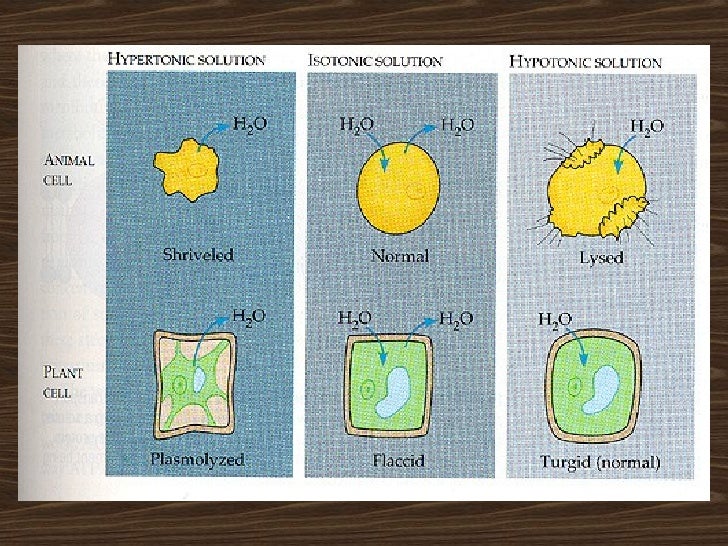
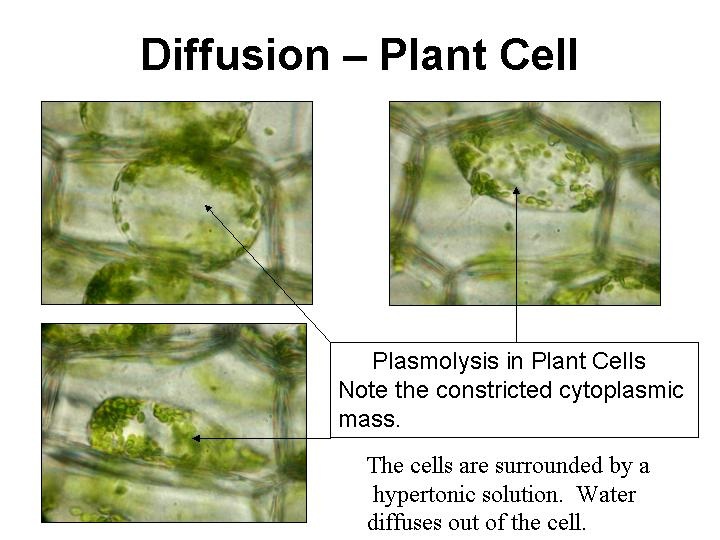
Animal Cell In A Hypertonic Solution : Skills Estimation Of Osmolarity In Tissues By Bathing Samples In Hypotonic And Hypertonic Solutions Ppt Video Online Download / When placed in a hypertonic solution, the plant cell will lose water from its vacuole and the cell wall will draw inwards until or if equilibrium is reached.
byLeonard Bodrey-
0
Animal Cell In A Hypertonic Solution : Skills Estimation Of Osmolarity In Tissues By Bathing Samples In Hypotonic And Hypertonic Solutions Ppt Video Online Download / When placed in a hypertonic solution, the plant cell will lose water from its vacuole and the cell wall will draw inwards until or if equilibrium is reached.. … they reproduce by mitosis. A hypertonic solution refers to a solution that has a greater concentration of solute than another solution. Water lose from both vacuole and cytoplasm cause to. Hypotonic solution is a solution which, contains lesser solute concentration. (out of / into) ?
Minimal exposure to salt water like a swim will have a. Red blood cells placed in a solution with the same water concentration as their cytoplasm (0.85 per cent salt solution) will not experience an overall change in volume. They contain 23 pairs of chromosomes. Blood cells in a 1.25 nacl. Hypertonicity activates several different transcription factors, including tonebp/orebp, that in turn increase transcription of numerous genes.
Form4 Biology Chap3 Pt2 from image.slidesharecdn.com 3.21% (m/v) nacl solution b. To prevent crenation or hemolysis, an animal cell must be placed in an isotonic solution such as 0.9% (m/v) nacl or 5.0% (m/v) glucose. If you place an animal or a plant cell in a hypertonic solution, the cell shrinks, because it loses water ( water moves from a higher concentration inside the cell to a lower. Unlike plant cells that have rigid cell walls, animal cells have flexible cell membranes that allow the cell to enlarge or shrink. A red blood cell is placed into each of the following solutions. In rbc, crenation can be seen. Hypertonic hypotonic & isotonic solutions notes. Plant cells in a hypertonic solution • plant cells lose pressure as the plasma membrane shrinks away from the cell wall.
In animal cells, being in a hypertonic environment results in crenation, where the shape of the cell becomes distorted and wrinkled as water when we keep an animal cell in hypertonic solution it shrinks because it have relatively low osmotic pressure as compared to the outside solution which.
In which type of solution is the net movement when a plant cell is placed in a hypertonic solution, what occurs? Plant cells in a hypertonic solution • plant cells lose pressure as the plasma membrane shrinks away from the cell wall. In a hypertonic solution, the concentration of solutes will be more in the solution as compared to the cell. Miller and levine biology textbook solutions. Water lose from both vacuole and cytoplasm cause to. In a hypertonic solution water is most likely to move out of the cell because it is in a high concentration and the cell will shrink. Cytoplasm, ribosomes, rough endoplasmic reticulum; They are more complex than bacterial cells. A plant or animal cell will shrink. In rbc, crenation can be seen. Hypertonic solutions also dehydrate food and other substances, as water leaves cells or passes through a membrane to try to establish equilibrium. Hypotonic solution is a solution which, contains lesser solute concentration. For example, if you place a cell in a salt solution, the salt solution is more hypertonic (more concentrated) than the cell plasma.
In a hypertonic solution, the solutes outside of the cell have a higher concentration than those inside of the cell. Animal cells tend to do best in an isotonic. If animal cell is kept is hypertonic solution, the cell will loose water and it will shrink. The role and function of the plasma membrane; To prevent crenation or hemolysis, an animal cell must be placed in an isotonic solution such as 0.9% (m/v) nacl or 5.0% (m/v) glucose.
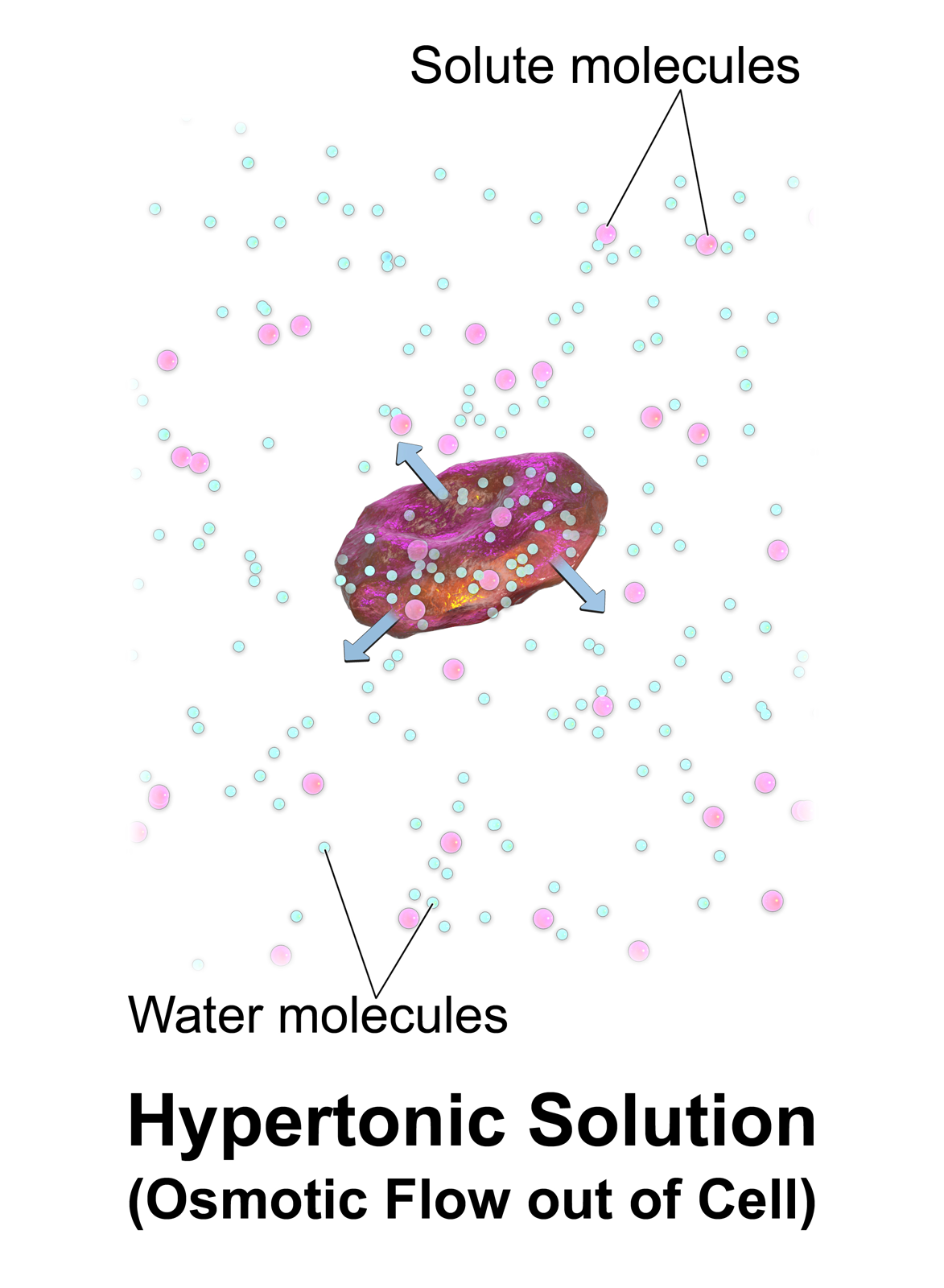
Plasmolysis Wikipedia from upload.wikimedia.org In rbc, crenation can be seen. That cells can be of different shapes and sizes. A hypertonic solution such as salt water has higher concentrations than that are typically found in animal cells. If a cell is in a hypertonic solution, the solution has a lower water concentration than the cell cytosol, and water moves out of the cell until both solutions when placed in a hypertonic solution, a red blood cell will lose water and undergo crenation (shrivel). Animals and plant cells have a selectively permeable membrane around them that lets some chemicals pass (like oxygen and water) and keeps other things out (like proteins and dna). Red blood cells placed in a solution with the same water concentration as their cytoplasm (0.85 per cent salt solution) will not experience an overall change in volume. Animal cells tend to do best in an isotonic. An animal cell placed in which type of solution will swell (and possibly burst) as water enters the cell?
Blood cells in a 1.25 nacl.
In rbc, crenation can be seen. When an animal cell, such as a red blood cell, loses water to the hypertonic solution, it shrinks, or crenates. When a red blood cell is placed in a hypertonic solution, it shrinks as water is drawn out of the cell and into the surrounding solution. In animals, cells are always striving to maintain an equilibrium between their internal (intracellular) environment and the surrounding (extracellular) environment. They tend to give up water across the permiable cell membrane. We found a book related to your question. In a hypertonic solution, the concentration of solutes will be more in the solution as compared to the cell. Animals and plant cells have a selectively permeable membrane around them that lets some chemicals pass (like oxygen and water) and keeps other things out (like proteins and dna). A red blood cell is placed into each of the following solutions. Hypotonic isotonic hypertonic solution solution solution passive transport in action facilitated diffusion • diffusion with. If animal cell is kept is hypertonic solution, the cell will loose water and it will shrink. Water inside the cell (highest concentration) moves out of the cell (lowest. In a hypertonic solution water is most likely to move out of the cell because it is in a high concentration and the cell will shrink.
Major topics include photosynthesis, cellular respiration, plant and animal cells, prokaryotes and eukaryotes, active and passive transport, and osmosis and diffusion. (out of / into) ? Unlike plant cells that have rigid cell walls, animal cells have flexible cell membranes that allow the cell to enlarge or shrink. The animal cell is in a hypertonic solution, and the plant cell is in a hypotonic solution. In a hypertonic solution, the solutes outside of the cell have a higher concentration than those inside of the cell.
Diffusion Osmosis Maggie S Science Connection from maggiesscienceconnection.weebly.com Plant cells in a hypertonic solution • plant cells lose pressure as the plasma membrane shrinks away from the cell wall. In a hypertonic solution, the solutes outside of the cell have a higher concentration than those inside of the cell. We found a book related to your question. An animal cell placed in which type of solution will swell (and possibly burst) as water enters the cell? In animal cells, being in a hypertonic environment results in crenation, where the shape of the cell becomes distorted and wrinkled as water when we keep an animal cell in hypertonic solution it shrinks because it have relatively low osmotic pressure as compared to the outside solution which. Animals and plant cells have a selectively permeable membrane around them that lets some chemicals pass (like oxygen and water) and keeps other things out (like proteins and dna). After completing this section, you should know: Water lose from both vacuole and cytoplasm cause to.
A plant or animal cell will shrink.
Major topics include photosynthesis, cellular respiration, plant and animal cells, prokaryotes and eukaryotes, active and passive transport, and osmosis and diffusion. As a result, the water from the cell will move outside from region of higher concentration to a lower concentration. This means that in order for the cell to equalize or balance the surrounding solution, the cell must release the water that it contains. Water inside the cell (highest concentration) moves out of the cell (lowest. In animal cells, being in a hypertonic environment results in crenation, where the shape of the cell becomes distorted and wrinkled as water when we keep an animal cell in hypertonic solution it shrinks because it have relatively low osmotic pressure as compared to the outside solution which. 3.21% (m/v) nacl solution b. … they reproduce by mitosis. If animal and plant cells are kept in a hypotonic solution then endosmosis is a process in which the water molecules move from outside of the cell of lower solute concentration to the inside of the cell of. Cytoplasm, ribosomes, rough endoplasmic reticulum; Indicate whether crenation, hemolysis, or neither will occur. Minimal exposure to salt water like a swim will have a. That cells can be of different shapes and sizes. A hypertonic solution such as salt water has higher concentrations than that are typically found in animal cells.