Animal Cells Have Ribosomes / Plant Cell Vs Animal Cell 5 Key Differences Difference 101 : In mitochondria, chloroplasts and bacteria.
byLeonard Bodrey-
0
Animal Cells Have Ribosomes / Plant Cell Vs Animal Cell 5 Key Differences Difference 101 : In mitochondria, chloroplasts and bacteria.. Animal cells have many different structures depending on their function. Ribosomes are organelles, not cells.they are found in both plant and animal cells, and are responsible for protein synthesis. (plant cells have cell walls directly outside the cell membrane for added protection and firmness.) the membrane is more than a simple physical barrier or a ribosomes. They are utilized in decoding dna (deoxyribonucleic acid) to proteins and no rrna is forever bound to the. Ribosomes are organelles located inside the animal, human cell, and plant cells.
Although they do have ribosomes and a cell wall, these are both different in structure to the ribosomes and cell walls in the cells above. Animal cells are of various sizes and have irregular shapes. Ribosomes are the cellular structures responsible for protein synthesis. Both plant and animal cells have ribosomes. An animal cell ranges in size from 10 to 30 µm.
Calameo Cells from p.calameoassets.com Ribosomes in plant and animals cells are larger than those found in bacteria. Tiny structures where protein synthesis occurs. Both plant and animal cells have ribosomes. By reading this guide, you'll learn everything you need to know about animal cells. Animal cells are of various sizes and have irregular shapes. Ribosomes were first seen by claude in 1941 but in animal cells ribosomes were first discovered by george emil palade, using an electron microscope, as dense particles or granules. Most of the cells size range between 1 and 100 micrometers and are visible only with ribosomes are the site for protein synthesis where the translation of the rna takes place. Where are ribosomes located inside a cell?
Plant, animal and bacterial cells have smaller components each with a specific function.
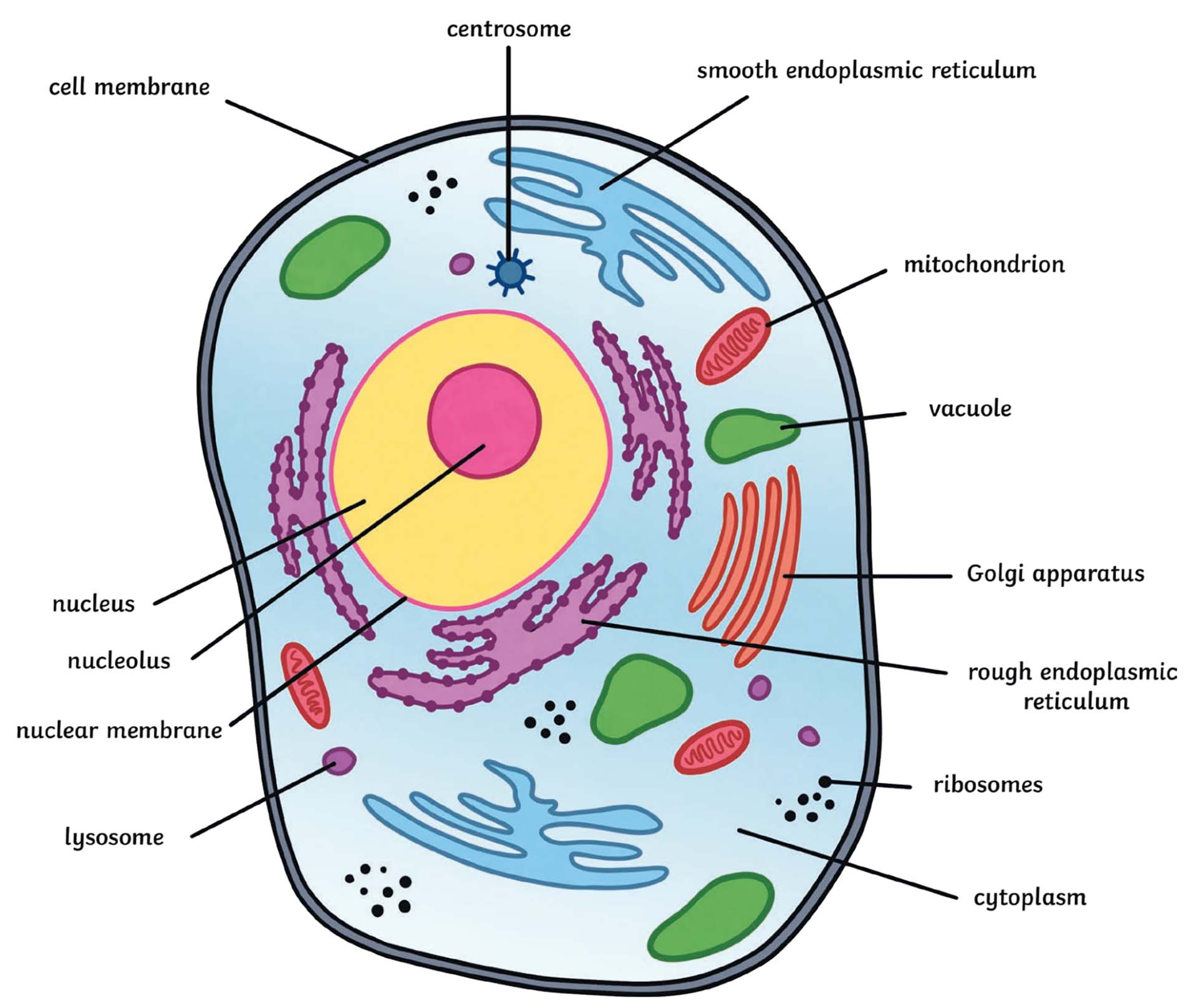
The diagram, like the one above, will include labels of the major parts of an animal cell including the cell membrane, nucleus, ribosomes, mitochondria, vesicles, and cytosol. Learn about ribosomes animal cells with free interactive flashcards. In mitochondria, chloroplasts and bacteria. Ribosomes are the cellular structures responsible for protein synthesis. Choose from 500 different sets of flashcards about ribosomes animal cells on quizlet. Where are ribosomes located inside a cell? Although they do have ribosomes and a cell wall, these are both different in structure to the ribosomes and cell walls in the cells above. As hard as it may be to imagine, biologists. Keeping this in view, do all organisms have ribosomes? An animal cell ranges in size from 10 to 30 µm. Only animal cells have organelles called centrioles which aid in cell division. Cells so cell the cell wall is going to be in a plant cell animal cells don't have cell walls now if we go one layer deeper we get to the plasma membrane nucleolus which is associated which is associated with ribosomal with ribosome formations and ribosomal rna and of course you also have free. Ribosomes in plant and animals cells are larger than those found in bacteria.
They are utilized in decoding dna (deoxyribonucleic acid) to proteins and no rrna is forever bound to the. The organelles serve as the protein production machinery for the cell and are consequently. The result is two centrosomes, each with its own pair of ribosomes: Ribosomes are organelles located inside the animal, human cell, and plant cells. In this guide, we'll explain what animal cells are, the difference between plant and animal cells, and other important information.
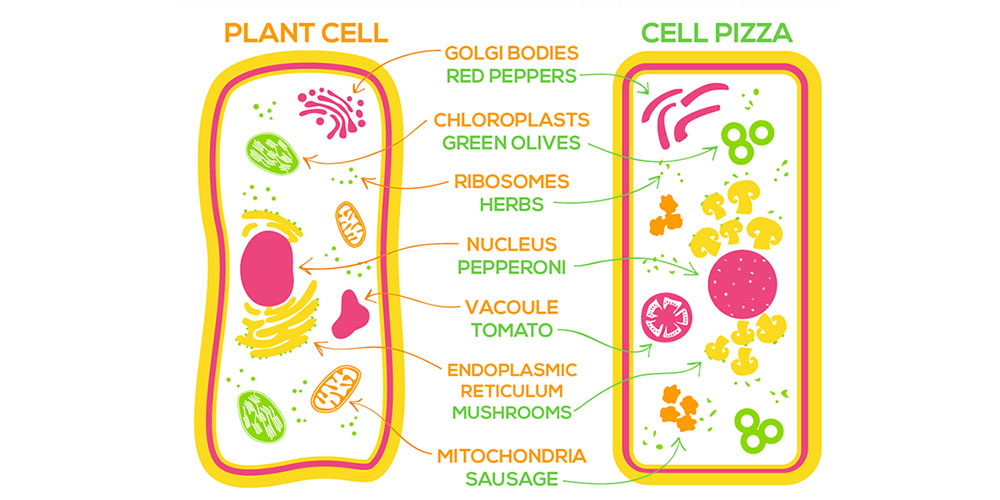
Saturday Science Homemade Plant Cell Pizza The Children S Museum Of Indianapolis from dktix1rrcd7mv.cloudfront.net An animal cell ranges in size from 10 to 30 µm. Animal cells are types of cells that are specifically found in animals. Animal cells and plant cells have features in common, such as a nucleus, cytoplasm, cell membrane, mitochondria and ribosomes. Producing proteins required for all cellular activities including growth, metabolism. Ribosomes are mainly found bound to the endoplasmic reticulum and the nuclear envelope, as well as freely scattered throughout the cytoplasm, depending upon whether the cell is plant, animal, or bacteria. Eukaryotes house a distinct nucleus, a structure in which the genetic material (dna) is contained, surrounded by a membrane much like the outer cell membrane. (plant cells have cell walls directly outside the cell membrane for added protection and firmness.) the membrane is more than a simple physical barrier or a ribosomes. Organelles that contains the enzymes for respiration, and where most energy is released in respiration.
Ribosomes are cell organelles that function in protein synthesis.
The ribosomes in bacterial cells do the same job as ribosomes in human and animal cells; When we view them through an electron microscope, ribosomes appear either as clusters animal cells have another set of organelles that most plant cells do not: Ribosomes are complex molecular machines that make proteins inside cells. Learn about ribosomes animal cells with free interactive flashcards. However, there are some striking differences between animal and plant cells. How many ribosomes in a cell? In this guide, we'll explain what animal cells are, the difference between plant and animal cells, and other important information. A cell carries out all the processes of the body which includes producing energy and storing it, making proteins which are every living organism contains the ribosomes which are tiny organelles composed of nearly 60% of rrna (ribosomal rna) and 40% of proteins. The cells of animals are. Join kevin as he transports to the cellular learning center. As protein synthesis is very important to the cell, ribosomes. Ribosomes in plant and animals cells are larger than those found in bacteria. They are utilized in decoding dna (deoxyribonucleic acid) to proteins and no rrna is forever bound to the.
The ribosomes in bacterial cells do the same job as ribosomes in human and animal cells; Eukaryotic cells are found in most algae, protozoa, all multicellular organisms (plants and animals) including humans. Plant cells too contain a cell wall, and often have chloroplasts plus a enduring vacuole. During animal cell division, the centrioles replicate (make new copies) and the centrosome divides. The result is two centrosomes, each with its own pair of ribosomes:
What Is An Animal Cell Definition And Functions Twinkl from images.twinkl.co.uk Organelles that contains the enzymes for respiration, and where most energy is released in respiration. Animal cells and plant cells have traits in common, for example a nucleus, cytoplasm, cell membrane, mitochondria and ribosomes. The lysosomes are the cell's garbage disposal. Learn about ribosomes animal cells with free interactive flashcards. You will learn that only plant cells have cell walls that are made of cellulose. Animal cells have many different structures depending on their function. Cells so cell the cell wall is going to be in a plant cell animal cells don't have cell walls now if we go one layer deeper we get to the plasma membrane nucleolus which is associated which is associated with ribosomal with ribosome formations and ribosomal rna and of course you also have free. Cells are the structural and functional unit of the body, and hence to understand the structure and function of an animal body, it is crucial to learn about the animal cells.
Producing proteins required for all cellular activities including growth, metabolism.
The cells of animals are. Each eukaryotic cell has a plasma membrane, cytoplasm, a nucleus, ribosomes, mitochondria, peroxisomes, and in some, vacuoles; Ribosomes were first seen by claude in 1941 but in animal cells ribosomes were first discovered by george emil palade, using an electron microscope, as dense particles or granules. These include structures such as the plasma membrane, cytoplasm, nucleus, mitochondria, and ribosomes. Keeping this in view, do all organisms have ribosomes? Cells so cell the cell wall is going to be in a plant cell animal cells don't have cell walls now if we go one layer deeper we get to the plasma membrane nucleolus which is associated which is associated with ribosomal with ribosome formations and ribosomal rna and of course you also have free. While both animal and plant cells have microtubule organizing centers (mtocs), animal. Ribosomes are found in prokaryotic and eukaryotic cells; The organelles serve as the protein production machinery for the cell and are consequently. Plant cells also have a cell wall, and often have chloroplasts and a permanent vacuole. Ribosomes are composed of rna and proteins that form ribosome subunits: However, there are some striking differences between animal and plant cells. In eukaryotic cells, the ribosomes either occur freely in the cytoplasm or remain attached to the outer surface of the membrane of the endoplasmic reticulum.