Do Animal Cells Have Cilia And Flagella / Mitochondrial DNA and Disease: Genes Outside the Nucleus ... : Microtubules are nucleated and organized by microtubule organizing centers (mtocs), such as the centrosome found in the center of many animal cells or the basal bodies found in cilia and flagella, or the spindle pole bodies found in most fungi.
byLeonard Bodrey-
0
Do Animal Cells Have Cilia And Flagella / Mitochondrial DNA and Disease: Genes Outside the Nucleus ... : Microtubules are nucleated and organized by microtubule organizing centers (mtocs), such as the centrosome found in the center of many animal cells or the basal bodies found in cilia and flagella, or the spindle pole bodies found in most fungi.. Microtubules are nucleated and organized by microtubule organizing centers (mtocs), such as the centrosome found in the center of many animal cells or the basal bodies found in cilia and flagella, or the spindle pole bodies found in most fungi. For example, in wound healing in animals, white blood cells move to the wound site to kill. Microtubules are nucleated and organized by microtubule organizing centers (mtocs), such as the centrosome found in the center of many animal cells or the basal bodies found in cilia and flagella, or the spindle pole bodies found in most fungi. Animal cells differ from plant cells in that they do not have. Instead, they have only a plasma membrane.
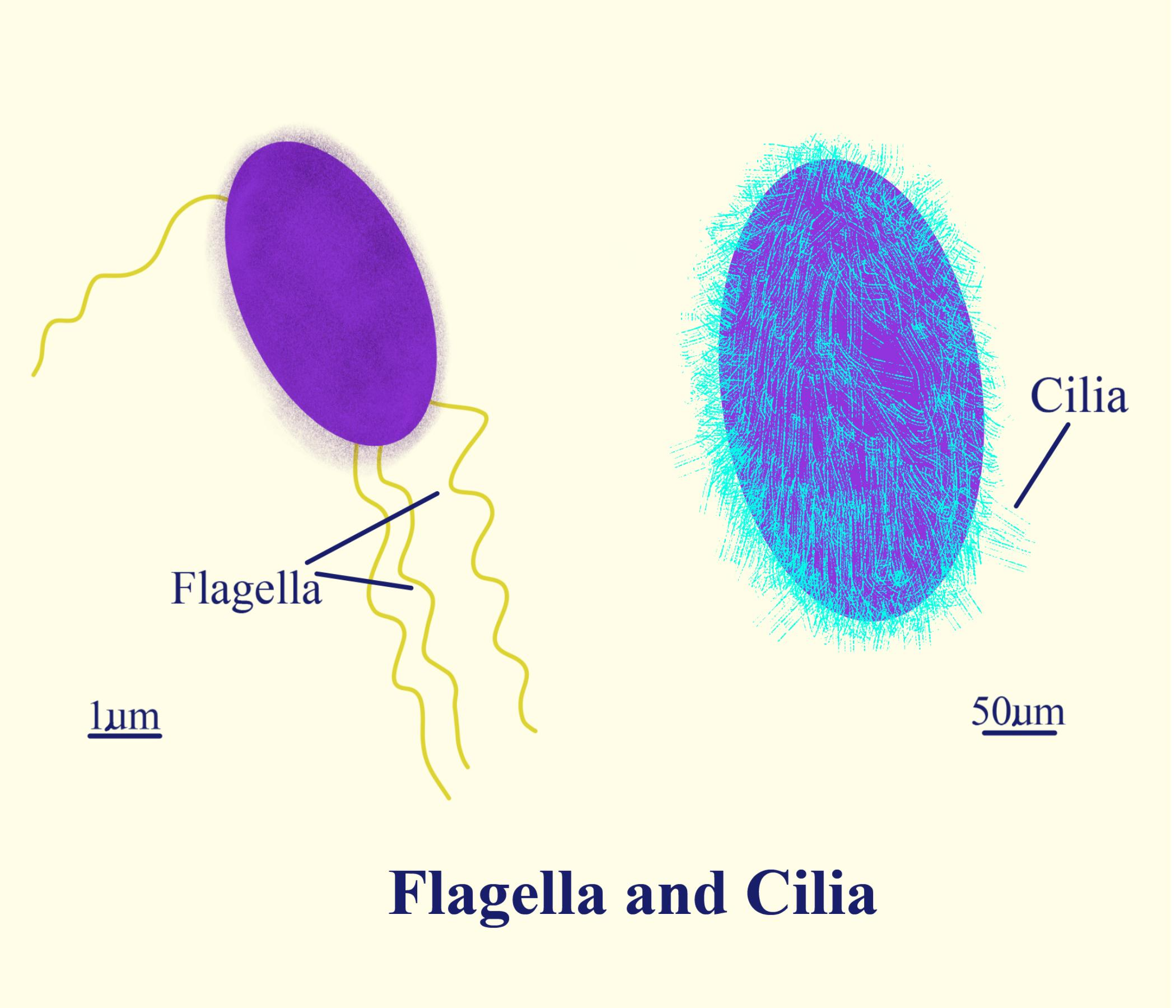
In multicellular organisms, cells can move during processes such as wound healing, the immune response and cancer metastasis. Microtubules are nucleated and organized by microtubule organizing centers (mtocs), such as the centrosome found in the center of many animal cells or the basal bodies found in cilia and flagella, or the spindle pole bodies found in most fungi. Microtubules are used to build cilia and flagella. This allows for the processes of phagocytosis ("cell eating") and pinocytosis ("cell drinking") to occur. However, not all animal cells have flagella, some have cilia \ൡnd podiums and some have none.
Cilia vs Flagella | 15 Prominent Differences Explained from www.studyread.com Microtubules are nucleated and organized by microtubule organizing centers (mtocs), such as the centrosome found in the center of many animal cells or the basal bodies found in cilia and flagella, or the spindle pole bodies found in most fungi. They have the ability to perform phagocytosis and pinocytosis. Some protozoa have cilia for locomotion. Lastly, notice that the plant cell is rectangular in shape while the animal cell is more rounded and the animal 對cell has a flagella for movement, while the plant cell does not. For example, in wound healing in animals, white blood cells move to the wound site to kill. Supports the cell and aids in cell movement\ microtubules / microfilaments / centrioles. Unicellular organisms can move in order to find food or escape predators. So it is called as the structural and functional unit of life.
Common mechanisms of motion include flagella and cilia.
These do not have cell walls. They have the ability to perform phagocytosis and pinocytosis. Animal cells do not have cell walls. Common mechanisms of motion include flagella and cilia. Supports the cell and aids in cell movement\ microtubules / microfilaments / centrioles. The lack of a cell wall allows animal cells to form many different shapes. Microtubules are nucleated and organized by microtubule organizing centers (mtocs), such as the centrosome found in the center of many animal cells or the basal bodies found in cilia and flagella, or the spindle pole bodies found in most fungi. A thin layer called pellicle provides supports to the cell. The cell is like a factory. Instead, they have a cell membrane. This allows for the processes of phagocytosis ("cell eating") and pinocytosis ("cell drinking") to occur. Microtubules are used to build cilia and flagella. That is why animals have varied shapes.
Instead, they have a cell membrane. So it is called as the structural and functional unit of life. Microtubules are used to build cilia and flagella. Some protozoa have cilia for locomotion. Nov 06, 2020 · animal cells.
Select the incorrect statements about cilia and flagella ... from www.vedantu.com For example, in wound healing in animals, white blood cells move to the wound site to kill. However, not all animal cells have flagella, some have cilia \ൡnd podiums and some have none. Instead, they have only a plasma membrane. Animal cells differ from plant cells in that they do not have. Supports the cell and aids in cell movement\ microtubules / microfilaments / centrioles. Common mechanisms of motion include flagella and cilia. Unicellular organisms can move in order to find food or escape predators. Some protozoa have cilia for locomotion.
The lack of a cell wall allows animal cells to form many different shapes.
Microtubules are nucleated and organized by microtubule organizing centers (mtocs), such as the centrosome found in the center of many animal cells or the basal bodies found in cilia and flagella, or the spindle pole bodies found in most fungi. In multicellular organisms, cells can move during processes such as wound healing, the immune response and cancer metastasis. Animal cells do not have cell walls. So it is called as the structural and functional unit of life. Some protozoa have cilia for locomotion. Animal cells differ from plant cells in that they do not have. Instead, they have a cell membrane. A thin layer called pellicle provides supports to the cell. That is why animals have varied shapes. Instead, they have only a plasma membrane. Nov 06, 2020 · animal cells. Supports the cell and aids in cell movement\ microtubules / microfilaments / centrioles. It helps in carrying out the functions such as respiration, nutrition, digestion, excretion etc.
Animal cells differ from plant cells in that they do not have. Unicellular organisms can move in order to find food or escape predators. Instead, they have a cell membrane. It helps in carrying out the functions such as respiration, nutrition, digestion, excretion etc. So it is called as the structural and functional unit of life.
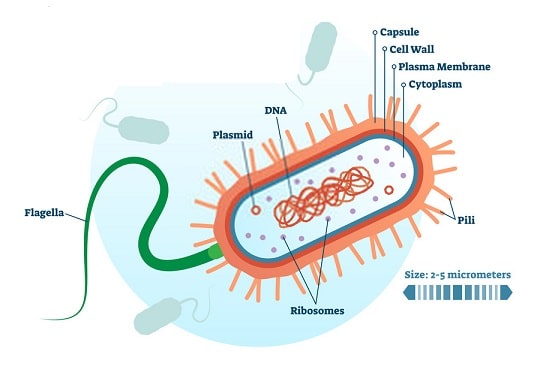
What is the difference between eukaryotic and prokaryotic ... from qph.fs.quoracdn.net These do not have cell walls. Instead, they have only a plasma membrane. The cell is like a factory. Microtubules are used to build cilia and flagella. Microtubules are nucleated and organized by microtubule organizing centers (mtocs), such as the centrosome found in the center of many animal cells or the basal bodies found in cilia and flagella, or the spindle pole bodies found in most fungi. This allows for the processes of phagocytosis ("cell eating") and pinocytosis ("cell drinking") to occur. So it is called as the structural and functional unit of life. Instead, they have a cell membrane.
This allows for the processes of phagocytosis ("cell eating") and pinocytosis ("cell drinking") to occur.
Common mechanisms of motion include flagella and cilia. Lastly, notice that the plant cell is rectangular in shape while the animal cell is more rounded and the animal 對cell has a flagella for movement, while the plant cell does not. However, not all animal cells have flagella, some have cilia \ൡnd podiums and some have none. They have the ability to perform phagocytosis and pinocytosis. Some protozoa have cilia for locomotion. Microtubules are used to build cilia and flagella. Animal cells do not have cell walls. Animal cells differ from plant cells in that they do not have. This allows for the processes of phagocytosis ("cell eating") and pinocytosis ("cell drinking") to occur. Instead, they have only a plasma membrane. In multicellular organisms, cells can move during processes such as wound healing, the immune response and cancer metastasis. That is why animals have varied shapes. These do not have cell walls.