Does Animal Cell Have Flagella - Quia Ap Chapter 6 Cells Detailed : Flagella seem to have more functions than providing motility alone.
byLeonard Bodrey-
0
Does Animal Cell Have Flagella - Quia Ap Chapter 6 Cells Detailed : Flagella seem to have more functions than providing motility alone.. Not many animal cells do not have cilia or flagella, and they are almost never found on plant cells. Let's take an example of ribosome organelle, which does the main function of protein production. Primary cilia, found in some organs. Flagella (singular, flagellum) are the locomotory structures of many prokaryotes. Plant cells and animal cells are similar in many ways, but also different in others.
What structures does an animal cell have that a plant cell does not have? Flagella (plural of flagellum) provide the mechanical ability for cells to move under their own power. Do animal cells have cilia and flagella? Flagellum is an extra cellular appendage for motility in bacteria. Flagella are generally accepted as being important virulence factors, and expression and.
Animal Cells Basic Biology from i0.wp.com Animal cells are typical of the eukaryotic cell, enclosed by a plasma membrane and containing a unlike the eukaryotic cells of plants and fungi, animal cells do not have a cell wall. An animal cell does not have a large vacuole or cell wall, but it has organelles such as centrioles, lysosomes, cilia and flagella. Do fungal cells have flagella? A flagellate can have one or several flagella. Plant cells do, however, have a number of other specialized structures, including a rigid cell wall, central vacuole, plasmodesmata, and chloroplasts. An animal cell is the smallest unit that makes up the varied tissues of animal species. Flagellum is an extra cellular appendage for motility in bacteria. However, there are some animal cells that do contain flagella/cilia.
Flagella seem to have more functions than providing motility alone.
Flagellate, (subphylum mastigophora), any of a group of protozoans, mostly uninucleate organisms, that possess, at some time in the life cycle, one to many flagella for locomotion and sensation. Do plants have cells like yours? Animal cells have a number of other structures that plant cells don't have, including centrioles, lysosomes, cilia, and flagella. Under the microscope, an animal cell shows many different parts called organelles, that work together to keep the cell functional. Notably, protozoans locomote, but it is only via nonmuscular means, in effect, using cilia, flagella, and. Flagella seem to have more functions than providing motility alone. Plants store water and nutrients in their large central vacuoles. Do fungal cells have flagella? Animal cells are typical of the eukaryotic cell, enclosed by a plasma membrane and containing a unlike the eukaryotic cells of plants and fungi, animal cells do not have a cell wall. What structures does an animal cell have that a plant cell does not have? Animal cells include a huge variety of different types of cells. There are hundreds of cell types in a developed organism, which are specific to their location and function. Are flagella in plant and animal cells?
Not many animal cells do not have cilia or flagella, and they are almost never found on plant cells. When looking under a microscope, the cell wall is an easy way to distinguish plant cells. Flagella seem to have more functions than providing motility alone. Another feature of fungi is the presence of chitin in their cell walls. First of all let us have a look at the figure.
Centriole Functions And Structure In Plant And Animal Cells Jotscroll from www.jotscroll.com Flagella are generally accepted as being important virulence factors, and expression and. Animal cells have unique features that distinguish them from plant and fungi cells. First, animal cells do not have chloroplasts. Animal cells have centrosomes (or a pair of centrioles), and lysosomes, whereas plant cells do not. The male gametes of charophytes, bryophytes, seedless vascular plants. A flagellate can have one or several flagella. When looking under a microscope, the cell wall is an easy way to distinguish plant cells. A scientist investigates two types of cells located in different parts in the human body.cell a contains many more mitochondria than cell b.what is th … e best conclusion to make from this observation?
A scientist investigates two types of cells located in different parts in the human body.cell a contains many more mitochondria than cell b.what is th … e best conclusion to make from this observation?
Animal cells have unique features that distinguish them from plant and fungi cells. Yes, your cells are actually very similar to a plant's cells. Plant cells do, however, have a number of other specialized structures, including a rigid cell wall, central vacuole, plasmodesmata, and chloroplasts. A scientist investigates two types of cells located in different parts in the human body.cell a contains many more mitochondria than cell b.what is th … e best conclusion to make from this observation? The cytoskeleton gives the cell its shape, and the flagella helps the cell to move. Do plants have cells like yours? Animal cells have a number of other structures that plant cells don't have, including centrioles, lysosomes, cilia, and flagella. Flagella (plural of flagellum) provide the mechanical ability for cells to move under their own power. Animal cells include a huge variety of different types of cells. Thats true for motile cilia (they are just microtubule based, its quite interesting). However, there are some animal cells that do contain flagella/cilia. How does the structure of a cell suggest its function? What is the difference between eukaryotic and prokaryotic flagella?
Flagellum can never be seen directly with the how does bacterium move according to the arrangement of their flagellum/ flagella? Eukaryotic flagella propel cells through their undulating, whiplike mmotion. The male gametes of charophytes, bryophytes, seedless vascular plants. A flagellate can have one or several flagella. Animal cells do not have a cell wall.
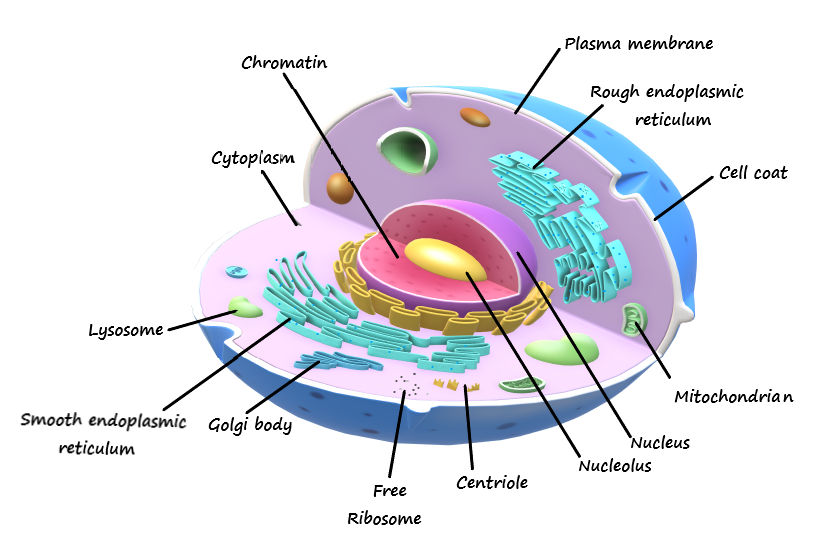
Draw A Neat Labeled Diagram Of An Animal Cell Class 11 Biology Cbse from www.vedantu.com Another feature of fungi is the presence of chitin in their cell walls. First, animal cells do not have chloroplasts. A nucleus contains the dna material for eukaryotic cells. Plant cells and animal cells are similar in many ways, but also different in others. For many pathogenic species, studies have been performed on the contribution of flagella to the virulence, but the result is not clear in all cases. Animal cells are eukaryotic cells, which are cells with a nucleus and organelles inside of cell membranes. Most plant cells only have one large vacuole, while animal cells have numerous, smaller vacuoles. Flagellate, (subphylum mastigophora), any of a group of protozoans, mostly uninucleate organisms, that possess, at some time in the life cycle, one to many flagella for locomotion and sensation.
Flagellate, (subphylum mastigophora), any of a group of protozoans, mostly uninucleate organisms, that possess, at some time in the life cycle, one to many flagella for locomotion and sensation.
Plant cells have a cell wall, chloroplasts, plasmodesmata, and plastids used for storage, and a large central vacuole, whereas animal cells do not. Animal cells are typical of the eukaryotic cell, enclosed by a plasma membrane and containing a unlike the eukaryotic cells of plants and fungi, animal cells do not have a cell wall. Flagella seem to have more functions than providing motility alone. Do plants have cells like yours? The flagellum organelle is an intricate multiprotein assembly best known for its rotational propulsion of bacteria. Yes, your cells are actually very similar to a plant's cells. Most plant cells only have one large vacuole, while animal cells have numerous, smaller vacuoles. Plant cells do, however, have a number of other specialized structures, including a rigid cell wall, central vacuole, plasmodesmata, and chloroplasts. Notably, protozoans locomote, but it is only via nonmuscular means, in effect, using cilia, flagella, and. First, animal cells do not have chloroplasts. Flagella (plural of flagellum) provide the mechanical ability for cells to move under their own power. A flagellum is a long, thin extension of the plasma. The most familiar example is probably the exceptionally long.